
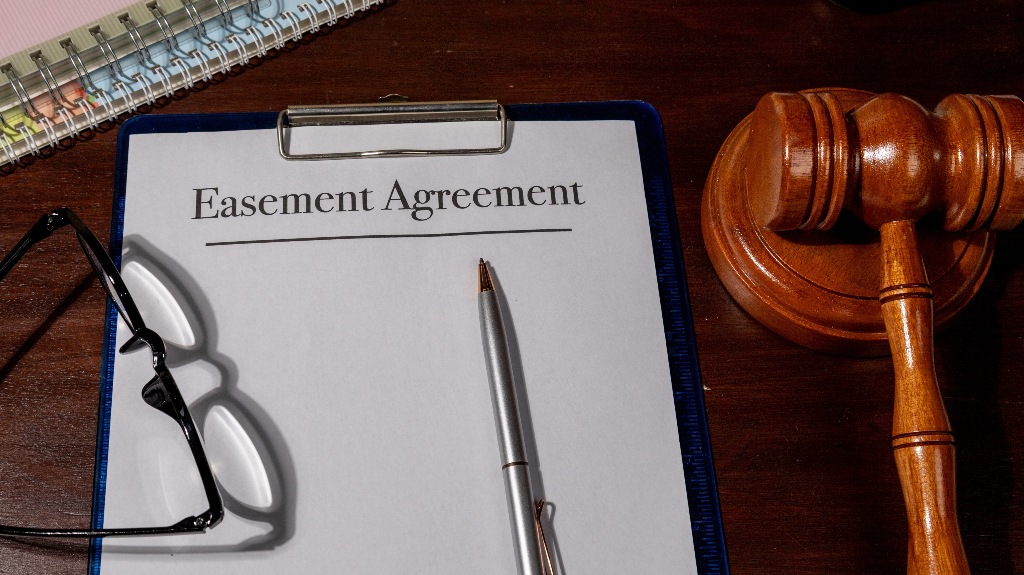
Easements and property access across private land are concepts that appear to be contrary to the foundational rights of property owners, yet they are enshrined in law and enforceable. These are important precepts to research and know about before purchasing land in Minnesota.
Property rights are complex, and easements can be implied or express. These right to access usually extend to future owners of the parcels affected. An experienced real estate attorney can help you understand your rights and responsibilities regarding easements and access.
Easements: Important Considerations
When purchasing property, it’s critical to understand what an easement does and what rights and challenges come with one. Minnesota is no different from other states for the way easements and property access are handled.
An easement is the lawful right to use a portion of another person’s property—without ownership rights. Easements are common for things like utility access or in areas where some parcels are landlocked (without frontage on a public street). Deeds don’t always reflect the existence of easements, which often remain in place through future and subsequent owners.
If someone claims an easement that is not recorded on the property deed, it’s important to open legal negotiations. Knowing the nuances of easement law is critical to knowing what rights you have as a property owner. Consider:
- An easement by prescription is established by open, continuous use for a minimum of 15 years. However, if the land user was given permission to access the neighbor’s property at any time the prescriptive use is nullified.
- An easement by estoppel is one that is permitted by the property owner and which the user relies upon, including spending money or making improvements to the location accessed using the easement under the assumption that the easement is permanent. While this is an informal agreement, it becomes harder to revoke the longer the user has access.
- By state law, Minnesota cities cannot create easements over private land by prescription or adverse possession (but they can through negotiations).
- Easements do not end unless the agreement between the owner and user specifically states when it does.
- Easements over state owned land, such as that controlled by the Department of Natural Resources, are limited by law to 50 years.
Termination of an easement takes place when the owner of one property purchases the other and merges them, when both the property owner and easement user agree to terminate, when the term of a written easement agreement expires, or when the easement is abandoned and no longer used.
Ways to create an easement include:
- Express easements are created by written agreements or when recorded on deeds.
- Easement by necessity is created when one person needs a way to access their landlocked property.
When buying property, review property records carefully for any easements, including:
- An express easement recorded on the property deed.
- Any “blanket easement” mentioned in the deed, which could indicate future use in an unknown location on the property.
- If buying a landlocked parcel, determine the type of access available. Be prepared to negotiate for access.
- Discuss maintenance costs with all involved if a driveway is shared,
- Understand any limitations on the easement by seeking the original agreement.

Advising Property Owners on Easement Issues
Easement issues come up frequently in Minnesota land court. If you have a concern about an easement that affects your property, contact the professionals at Waypoint Law LLC to discuss it. Waypoint’s attorneys are knowledgeable about Minnesota’s land use laws and the exceptions to them. With expert advice about negotiating access or limiting access across your property you can rest assured that the issue will be resolved efficiently. Call for a consultation.